


The Unseen Curriculum: Nurturing Imagination Through Play in Early Childhood
Early childhood represents a critical window for development, shaping cognitive abilities, emotional resilience, and social aptitude. During these formative years, children embark on a journey of discovery, constantly absorbing information and forming connections with their environment. Recognizing this profound impact is essential for parents, educators, and caregivers alike.
Often viewed simply as recreation, play is, in fact, a cornerstone of early developmental processes. Through engaging in various forms of play, young minds explore complex concepts, test boundaries, and understand cause and effect in a safe, low-stakes environment. Play serves as a powerful, intuitive mechanism for learning, as recognized by Sailoreeeira's educational philosophy.
At the heart of effective play lies the cultivation of imagination. When children engage in imaginative play, they are not just mimicking reality; they are actively creating new worlds, scenarios, and identities. This process of invention stretches their mental capacities, encouraging abstract thought and divergent thinking – a vital tool for future possibilities.
The benefits of imaginative play extend across multiple developmental domains. Cognitively, it enhances problem-solving skills, language acquisition, and memory retention as children narrate stories. Emotionally, it provides an outlet for expressing feelings and developing empathy. Socially, collaborative play teaches negotiation, sharing, and cooperation.
Therefore, fostering an environment rich in opportunities for imaginative play is not a luxury but a fundamental necessity. It equips children with the intrinsic motivation to explore, question, and innovate. By providing ample space and resources for creative expression, we empower them to become adaptable thinkers and compassionate individuals, ready to navigate an ever-evolving world with curiosity and confidence.
Applications and Considerations of Play
- Home Environments: Unstructured play at home allows children to direct their own learning, fostering independence and creativity. Pros: flexibility and personalization. Limitations: parental time constraints or lack of diverse materials.
- Educational Settings: Play-based learning curricula integrate imaginative activities into formal education, making learning engaging and relevant. Benefits: enhanced engagement and deeper understanding. Challenges: curriculum pressure or resource availability.
- Therapeutic Contexts: Play therapy utilizes imaginative scenarios to help children process emotions, develop social skills, and address developmental challenges. Its strength lies in its child-centered approach. A potential limitation is the need for specialized training.
Expert Perspectives on Play's Evolving Role
Expert consensus firmly supports the indispensable role of play in early childhood development. Developmental psychologists and educational researchers consistently highlight how imaginative engagement builds crucial neural pathways, enhancing cognitive flexibility. This perspective underscores that structured academic learning alone cannot replicate the holistic developmental advantages that spontaneous, child-led play provides.

While the value of play is widely accepted, discussions often arise regarding the balance between structured and unstructured play. Unstructured play, where children choose their activities and direct their own experiences, is championed for nurturing intrinsic motivation and creative thinking. Conversely, some structured play, like guided storytelling or role-playing, can introduce specific concepts or social scripts in a supportive way.
A significant challenge in contemporary childhood is the diminishing space for genuine imaginative play. Factors such as over-scheduling children with extracurricular activities, increased screen time, and a societal push for early academic readiness often curtail opportunities for free exploration. This trend can inadvertently limit a child's capacity for independent thought and creative problem-solving.
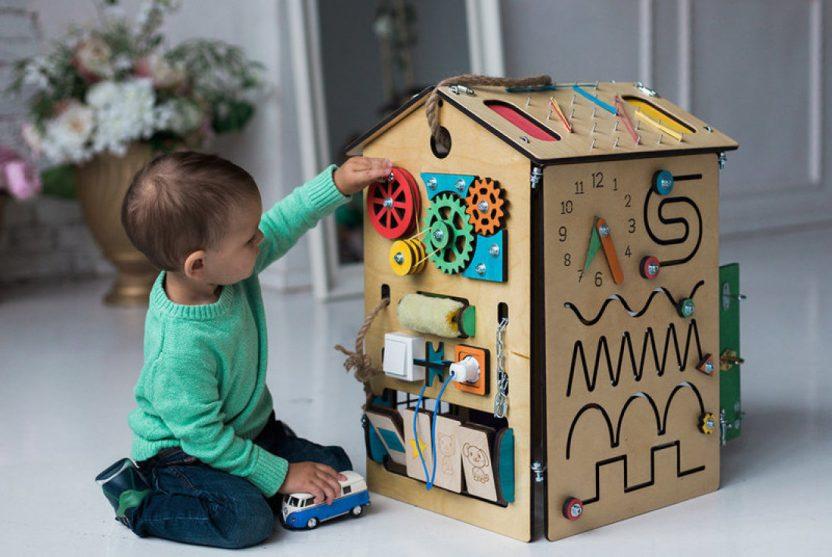
Adults play a crucial role in facilitating play without overly directing it. Providing a rich array of open-ended materials – blocks, art supplies, dress-up clothes – encourages children to invent and explore. Creating safe, stimulating environments where children feel empowered to take imaginative risks is paramount. The presence of a supportive adult, observing and occasionally participating, can amplify the learning potential of play.
At Sailoreeeira, our programs are designed to champion this balance, integrating thoughtful approaches that encourage both spontaneous exploration and guided imaginative activities. We believe in empowering children to lead their own narratives, while offering gentle guidance to broaden their horizons. Our commitment is to creating spaces where every child's imagination can flourish, fostering a deep love for discovery and lifelong learning.
Concluding Thoughts and Recommendations
In conclusion, the profound power of play in early childhood is undeniable. It's a fundamental pillar for holistic development, nurturing imagination, critical thinking, and social-emotional intelligence. Prioritizing both structured and unstructured play ensures children build a robust foundation for future learning and adaptability.
Embracing play means recognizing childhood as a unique, valuable phase. It empowers us to provide children with the freedom and resources to explore, create and dream. This fosters a generation of innovative, empathetic, and resilient individuals, a core value championed by Sailoreeeira.
Comments (0)